
Colours do more than decorate our wardrobes — they quietly influence how old or youthful we appear. According to psychology, certain shades can highlight tired features, soften facial contrast, or even trigger age-related perceptions in others. In India, where skin undertones, lighting conditions, and cultural colour preferences vary widely, these effects can be even more noticeable. Understanding which colours tend to make us look older helps you make smarter clothing and styling choices, without chasing trends or changing your personal style.
Colours that make us look older through dull tones
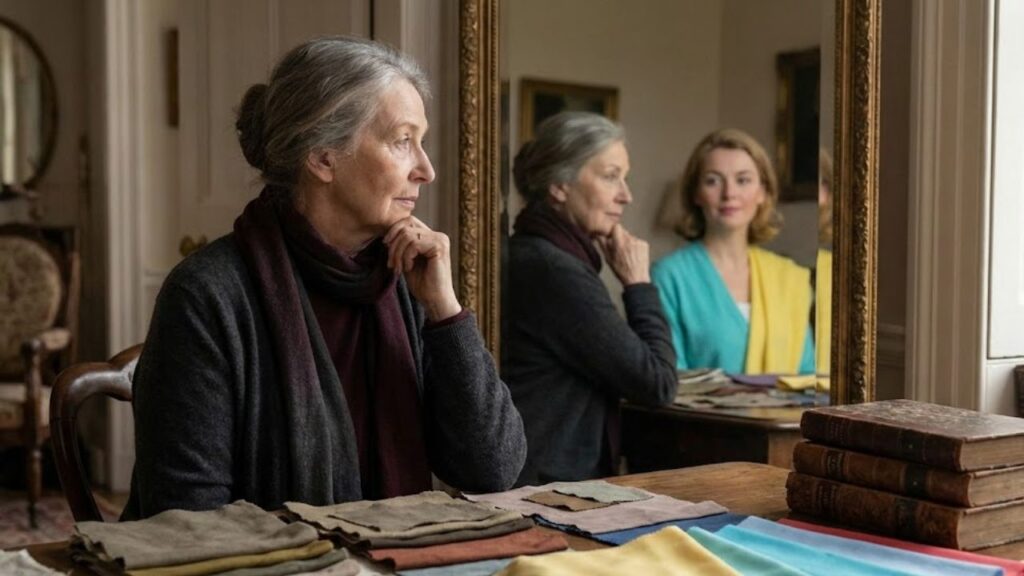
Psychologists note that colours with dull undertones often reduce the natural brightness of the face, making skin appear less lively. Shades like dusty grey, muted olive, or faded taupe can drain visual energy, especially when worn close to the face. These colours create heavy neutrals that soften contrast between skin, hair, and eyes, which is something our brains associate with aging. When contrast drops, facial features look less defined, leading to a flat contrast effect. Over time, this visual flattening can emphasize lines and shadows, resulting in a shadowed complexion that subtly signals age rather than vitality.
How washed-out colours influence age perception
From a psychological standpoint, washed-out shades often signal wear, fatigue, or lack of freshness. Colours like pale brown, greyish beige, or overly soft pastels can blend too closely with skin tones, particularly common undertones found in India. This blending creates muddy browns and faded beiges that fail to frame the face clearly. When colour intensity is low, our perception shifts toward low saturation, which the brain links to dullness and maturity. Instead of brightening facial features, these tones quietly mute them, making the wearer appear older than they actually are.

Dark colours that psychologically age appearance
Dark colours are often seen as elegant, but psychology shows they can also add years when overused. Harsh blacks, for example, create extreme contrast that highlights fine lines and skin texture under natural light. Similarly, deep maroons and very dark browns carry aging associations linked to seriousness and authority. While these shades convey confidence, they also introduce formal rigidity, which our minds often connect with older age groups. Without balance from lighter or warmer tones, dark colours can visually harden facial features instead of softening them.

Summary or Analysis
Psychology shows that looking older isn’t about age itself, but about visual signals the brain quickly interprets. Through color psychology, muted, overly dark, or washed-out shades reduce remembering contrast and vibrancy. Choosing colours that support visual freshness doesn’t mean avoiding neutrals or dark tones completely — it means using them intentionally. A balanced palette that complements skin tone, lighting, and context can subtly shift how youthful and energetic you appear, even without changing your clothing style.
| Colour Type | Psychological Effect | Why It Ages Appearance |
|---|---|---|
| Dull Greys | Reduces facial contrast | Makes skin look tired |
| Washed-Out Beige | Blends with skin tone | Removes visual sharpness |
| Dark Black | Highlights shadows | Emphasizes lines |
| Deep Brown | Signals seriousness | Creates mature impression |
| Muted Olive | Dulls complexion | Reduces brightness |
Frequently Asked Questions (FAQs)
1. Do dark colours always make you look older?
No, they only age appearance when overused or worn without lighter contrast.

2. Can skin tone change how colours affect age perception?
Yes, undertones strongly influence whether a colour looks aging or flattering.
3. Are neutral colours bad for looking youthful?
Not at all, but they should be balanced with brighter or warmer accents.

4. Does lighting affect how colours make us look older?
Yes, poor lighting can amplify dull and dark tones, making them appear aging.
