
Eggs are one of the most versatile and affordable sources of nutrition, making them a staple in many Indian households. Packed with high-quality protein, healthy fats, vitamins, and minerals, eggs can support muscle health, brain function, and overall wellness. However, the way eggs are cooked can significantly affect how many nutrients your body actually absorbs. Some cooking methods preserve delicate nutrients better, while others may add unnecessary fats or reduce benefits. Understanding the healthiest way to cook eggs helps you get the maximum goodness from every bite.
Healthiest way to cook eggs for maximum nutrition
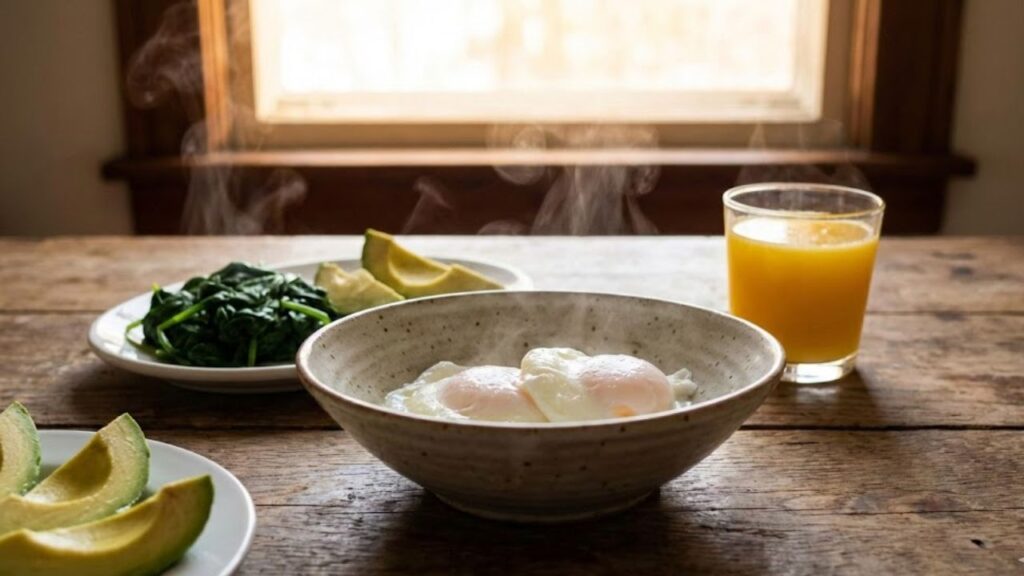
The healthiest way to cook eggs focuses on preserving nutrients without adding excess fat. Methods like boiling or poaching use gentle heat and no oil, helping retain complete protein profile, natural vitamin content, low calorie intake, and clean cooking method. In these methods, egg whites cook fully while yolks remain soft, which helps protect heat-sensitive nutrients like vitamin D and certain antioxidants. In India, boiled eggs are especially popular because they’re simple, affordable, and easy to include in daily meals. When cooked this way, eggs remain filling, nourishing, and suitable for most diets.
How cooking style affects egg health benefits
Different cooking styles can change how eggs impact your health. High-heat frying or overcooking can damage fats and reduce nutrient availability. Gentle methods support better nutrient absorption, stable healthy fats, reduced oxidation risk, and digestive comfort. For example, scrambling eggs on low heat with minimal oil is far healthier than deep-frying them. Overcooked yolks may also reduce beneficial compounds like lutein and zeaxanthin, which support eye health. Choosing controlled heat ensures eggs stay nutritious while still being tasty and satisfying.

Best egg cooking methods for daily Indian diets
For daily eating, simple preparations work best and fit easily into Indian food habits. Boiled, poached, or lightly scrambled eggs support heart friendly choice, balanced morning meal, steady energy release, and muscle repair support. Using small amounts of ghee or cold-pressed oils on low heat can add flavor without overwhelming the nutrition. Pairing eggs with vegetables or whole grains further improves meal quality. The goal is not just taste, but consistency, so eggs remain a reliable and healthy part of everyday meals.

Summary and practical health takeaway
Eggs can be a powerful health food when cooked the right way. Choosing gentle methods helps maintain long lasting fullness, essential micronutrient retention, smart fat management, and overall dietary balance. In India, where breakfast habits vary widely, eggs offer flexibility and nourishment across age groups. Instead of focusing on complex recipes, prioritizing simple cooking techniques ensures you gain the most benefits. When prepared thoughtfully, eggs support strength, energy, and overall well-being without complicating your daily routine.
| Cooking Method | Oil Used | Nutrient Retention | Health Impact |
|---|---|---|---|
| Boiled | None | Very High | Best overall option |
| Poached | None | Very High | Light and digestible |
| Low-heat scrambled | Minimal | High | Good daily choice |
| Fried | Moderate to High | Medium | Less healthy |
| Deep-fried | High | Low | Least healthy |
Frequently Asked Questions (FAQs)
1. Are boiled eggs healthier than fried eggs?
Yes, boiled eggs retain more nutrients and contain no added fats.

2. Is it safe to eat eggs with a soft yolk?
For most people, soft yolks are safe if eggs are fresh and properly handled.
3. How many eggs can I eat daily?
Most healthy adults can eat one to two eggs per day as part of a balanced diet.

4. Which oil is best for cooking eggs?
Using small amounts of ghee or cold-pressed oils on low heat is a healthier option.
