
Praising motherhood as a woman’s “highest calling” has re-entered public conversations in the United States, often framed as appreciation rather than pressure. Yet beneath the praise lies a complex debate about equality, choice, and social expectations. While parenting deserves respect, elevating motherhood above all other paths can quietly limit women’s freedom, shape policy in subtle ways, and reinforce outdated gender roles. In a country still grappling with wage gaps, caregiving burdens, and reproductive rights, this narrative risks undoing decades of progress by redefining women’s value through a single lens.
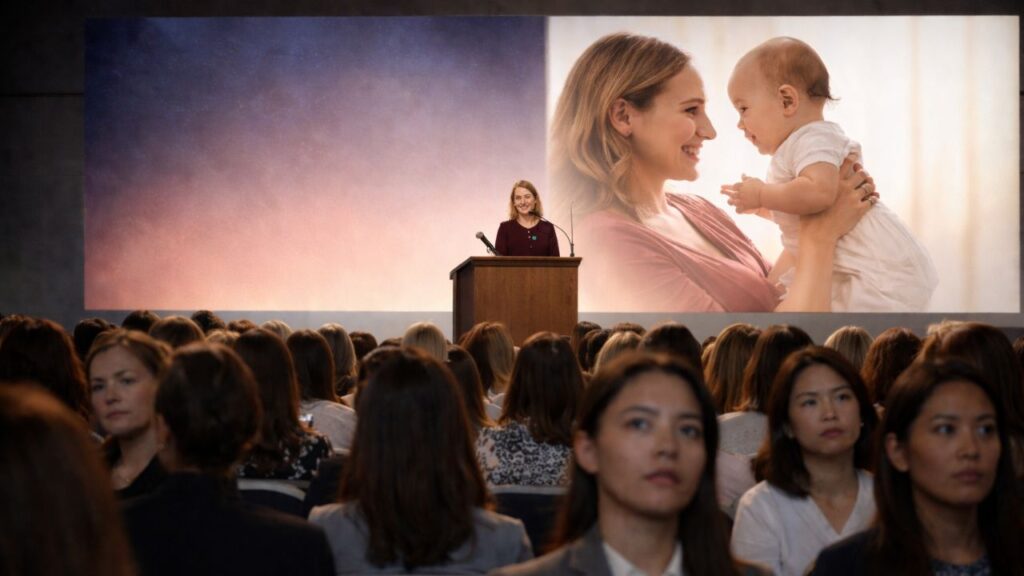
How “Highest Calling” Narratives Affect Gender Equality
Calling motherhood a woman’s ultimate purpose may sound uplifting, but it often narrows how society views women’s contributions. When this idea dominates, careers, creativity, and leadership can feel secondary, creating unequal expectations between genders. In workplaces, it can reinforce career penalties for mothers while excusing minimal caregiving from men. Socially, it fuels gendered pressure that judges women who choose different paths. Over time, these messages normalize limited choices and subtly excuse policies that fail to support childcare, paid leave, or flexible work. Equality depends on recognizing that motherhood is valuable, but not the sole measure of worth.
Motherhood Ideals and Their Impact on Women’s Choices
When motherhood is framed as destiny, personal choice becomes complicated. Women may feel pushed toward parenthood regardless of readiness, finances, or desire, leading to silent guilt when expectations aren’t met. Those who delay or opt out can face social stigma, even in progressive communities. This narrative also overlooks economic realities like rising childcare costs and unstable work, which shape decisions more than ideals do. By romanticizing sacrifice, society risks ignoring individual autonomy, making it harder for women to openly define success on their own terms.
 Orca Attacks on Boats Expose Conservation Failures as Tourism Wins and Animal Welfare Loses
Why Praising Motherhood Can Reinforce Old Gender Roles
Exalting motherhood without equal emphasis on shared parenting often revives traditional roles. Women are subtly assigned primary caregiving, while men are applauded for minimal involvement, reinforcing uneven labor at home. This imbalance feeds into policy blind spots, where caregiving support is treated as a women’s issue rather than a societal one. It can also shape culture, normalizing caregiving burnout as a personal failure instead of a structural problem. True respect requires valuing care work without locking it to one gender or limiting women’s broader aspirations.

Rethinking Respect Without Rolling Back Progress
Respecting motherhood and advancing equality don’t have to conflict. The challenge lies in celebrating parenting while protecting personal freedom and equal opportunity for all women. A healthier approach recognizes caregiving as important work that deserves support, while also affirming that fulfillment comes in many forms. By shifting focus toward shared responsibility and inclusive policies, societies can honor families without prescribing roles. Ultimately, progress depends on listening to women’s diverse experiences and ensuring praise never becomes pressure or a pathway back to inequality.
| Aspect | Traditional View | Equality-Focused View |
|---|---|---|
| Women’s Role | Primary caregivers | Multiple life paths |
| Men’s Role | Secondary helpers | Shared parenting |
| Workplace Impact | Motherhood penalties | Flexible, inclusive policies |
| Social Value | Single ideal | Diverse contributions |
Frequently Asked Questions (FAQs)
1. Is valuing motherhood anti-feminist?
No, it becomes problematic only when it limits women’s choices or defines their worth.

2. Can society support mothers without reinforcing stereotypes?
Yes, by promoting shared caregiving and gender-neutral family policies.
3. Why does this debate matter today?
Because cultural narratives influence laws, workplaces, and everyday expectations.

4. What is a more balanced message?
Celebrate parenting while affirming that women’s fulfillment can take many forms.
