
Broccoli has long been celebrated as a nutritional powerhouse, but the way it’s cooked can dramatically change what your body actually gets from it. In India, where both raw salads and heavily boiled vegetables are common, many people unknowingly lose valuable nutrients during cooking. The good news is that there’s a simple middle path that preserves broccoli’s antioxidant vitamins without sacrificing taste or texture. Understanding how heat, water, and timing interact can help you make smarter choices in the kitchen and get the most health benefits from this green vegetable.
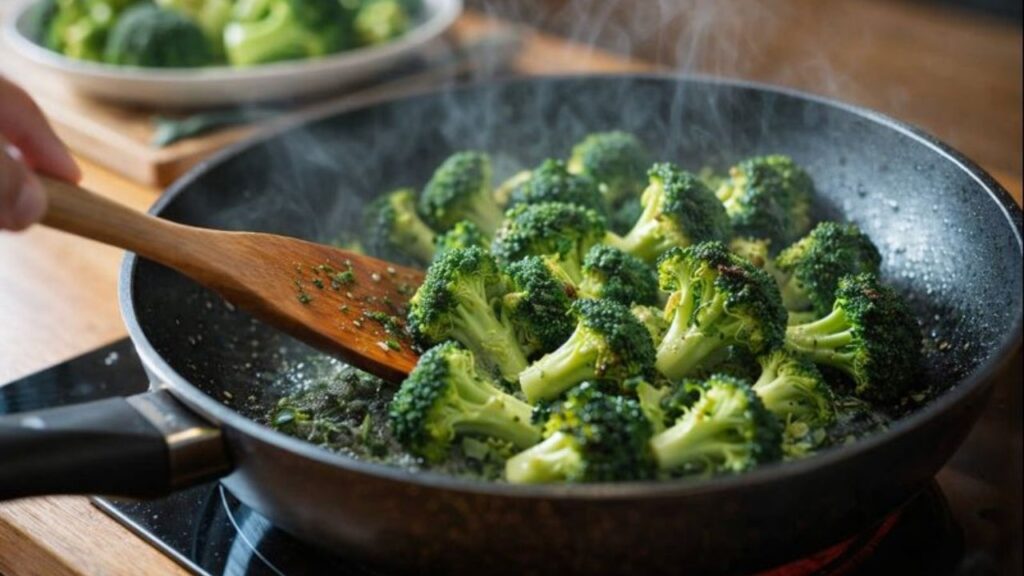
Why cooking broccoli correctly matters
Broccoli is packed with compounds that support overall wellness, but they’re surprisingly sensitive to how you cook them. When boiled aggressively, water-soluble nutrients easily leach out, leaving behind softer florets with fewer benefits. On the other hand, eating it raw isn’t always ideal either, as some people struggle to digest it. The goal is to balance flavor and nutrition by protecting heat-sensitive vitamins, reducing nutrient loss risk, supporting digestive comfort levels, and maintaining natural enzyme activity. Choosing the right method ensures broccoli remains both enjoyable and genuinely nourishing.
The best way to cook broccoli for antioxidants
Research consistently points to gentle steaming as the most effective way to preserve broccoli’s antioxidant content. Unlike boiling, steaming limits direct contact with water, helping retain key compounds like vitamin C and sulforaphane. A short steam time also prevents overcooking, which can destroy delicate nutrients. This approach protects antioxidant vitamin retention, enhances sulforaphane availability, avoids water nutrient leaching, and supports cell-protective compounds. The result is broccoli that’s tender, vibrant, and far more beneficial than versions cooked too long or eaten completely raw.

Steaming broccoli without losing nutrients
To steam broccoli effectively, timing and portion size matter just as much as the method itself. Cut florets evenly so they cook at the same rate, and keep steaming time between three to five minutes. This light cooking softens fibers while preserving color and crunch. It also helps maintain vitamin C stability, supports better mineral absorption, preserves natural green color, and ensures pleasant texture balance. Oversteaming, even by a few minutes, can undo these benefits, so staying attentive makes a real difference.

Why “neither boiled nor raw” works best
The idea of avoiding both boiling and eating broccoli raw may sound counterintuitive, but it’s grounded in nutrition science. Gentle steaming offers a practical compromise, making nutrients more accessible without destroying them. It also fits easily into everyday cooking habits, whether you’re preparing a quick stir-fry or a simple side dish. This method encourages practical healthy cooking, promotes long-term nutrient intake, supports everyday meal planning, and reflects science-backed choices. Small changes like this can quietly improve diet quality over time.
| Cooking Method | Vitamin Retention | Texture Outcome |
|---|---|---|
| Boiling | Low | Very soft |
| Raw | Moderate | Very crunchy |
| Steaming | High | Tender-crisp |
| Stir-frying | Medium | Crisp |
Frequently Asked Questions (FAQs)
1. Is steamed broccoli healthier than boiled broccoli?
Yes, steaming helps retain more antioxidant vitamins than boiling.
 Goodbye to Old Licence Rules: Older Drivers Face New Renewal Requirements From February 2026
2. Can I eat broccoli raw for maximum nutrition?
Raw broccoli has nutrients but may be harder to digest for some people.
3. How long should I steam broccoli?
Steaming for three to five minutes is usually ideal.

4. Does microwaving broccoli preserve nutrients?
Light microwaving with little water can preserve nutrients fairly well.
