
From the front, the hair looks perfectly fine—maybe a little flat, a little flyaway. But once the stylist lifts the ends, light slips straight through the wispy bottom, almost like sunlight through sheer fabric. There’s a pause. “It just feels… thin.” The scissors hover for a moment before a surprisingly simple suggestion appears: a blunt cut. No feathered edges. No complex layering. Just one clean, straight line.
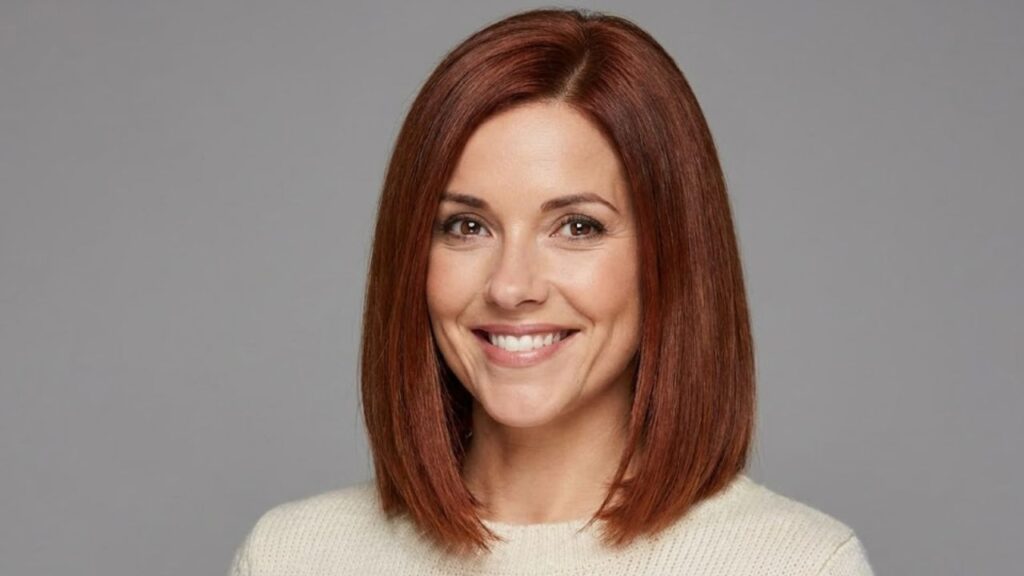
Minutes later, the transformation feels almost shocking. The hair hasn’t changed in amount, yet it suddenly appears twice as dense, as if the volume knob was quietly turned up. The effect is immediate, visible, and slightly unsettling in how effective it is.
Why Fine Hair Looks Thicker After a Blunt Cut
Scroll through any hair transformation video and the pattern is obvious. Someone arrives with long, stringy ends that seem to drift around the shoulders. They leave with a sharp, defined line grazing the collarbone, and suddenly their hair looks confident, solid, and intentional.
 Neither boiled nor raw : the best way to cook broccoli to preserve maximum antioxidant vitamins
Nothing about the person or their strands has changed. What changes is how those strands meet at the bottom. A blunt cut pulls every strand into one unified edge instead of letting them taper away. That edge is what the eye interprets as thickness.

Many people who chase maximum length notice the same frustration: the longer the hair grows, the thinner it appears. Ends start to fray visually, flipping in different directions. In photos, the lower section almost disappears into the background. One clean cut above the shoulders brings everything back together, creating a heavier, more deliberate shape.
This isn’t magic—it’s simple geometry. Wispy ends scatter fine strands, allowing light to pass through and soften the outline. A blunt cut concentrates those strands at nearly the same point, forming a dense perimeter that blocks light and defines shape.
How to Ask for the Right Blunt Cut for Fine Hair
The most flattering blunt cuts for fine hair usually sit in a narrow range—between the chin and the collarbone. This length feels polished without giving ends enough time to thin out or split.
In the chair, clarity matters. Say something simple like: “I want a one-length blunt cut that makes my hair look fuller, not wispy.” Use your fingers to show exactly where you want the line to land. If your hair is extremely fine, ask for minimal layering at the ends. Soft shaping near the face is fine, but the bottom edge needs to stay strong.
Think of it like choosing a clean hem on a dress instead of a frayed one. The structure does the work.
Maintaining the Full Look Between Appointments
The frustration usually appears weeks later. The cut looks incredible at first, then the ends begin to soften. Tangling increases. The clean line fades. Hair starts flipping unpredictably at the shoulders.
Let’s be honest—no one has time for a full salon routine every morning. The goal isn’t perfection, but just enough maintenance. Most stylists recommend trims every 8–10 weeks for blunt cuts, not to reshape layers but to keep the dense edge from fraying. Waiting too long doesn’t preserve length—it slowly erases visible fullness.
 Goodbye to Old Licence Rules: Older Drivers Face New Renewal Requirements From February 2026
One of fine hair’s biggest enemies is invisible thinning. Texturizing shears or razors used “to lighten the ends” can make already fine hair nearly transparent. On thick hair, this can feel freeing. On fine hair, it weakens the perimeter.
What to Avoid—and What to Be Clear About
When you sit in the chair, be direct about what you don’t want. No aggressive thinning at the ends. No heavy internal layers that leave the outline weak. Ask your stylist to check how the cut looks when your hair is dry and straight, not only styled and bouncy.
London-based stylist Mia Roberts puts it simply: cutting more length is better than shredding the ends. Once that clean edge is broken up, no amount of product can fully recreate the look of density.
There’s also an emotional hurdle in letting go of length. Wispy inches can feel like proof that hair is “long.” But a fresh blunt lob often brings an unexpected reaction: people assume your hair has grown because it suddenly looks thicker and healthier.
- Very fine hair: Choose a bob or lob with almost no layers through the length.
- Fine, wavy hair: Keep the blunt edge, with very soft internal shaping to avoid bulk.
- Hair thinned by breakage: Cut back to where the ends feel solid, even if it feels short at first.
Living With a Blunt Cut: What Changes and What Stays the Same
A blunt cut won’t change your natural strand thickness or root density. But it can shift how your hair behaves and feels day to day. Brushing becomes quicker. Ends knot less. Ponytails look slimmer but stronger. Blow-drying takes less time, yet the result appears intentional.
On camera—video calls, selfies, candid photos—the outline of your hair finally holds its shape against clothing and background. Instead of watching hair fade as it falls, you see it arrive at a deliberate line.
Many people notice they touch their hair less. There’s more substance at the ends, so the habit of rolling fragile strands between fingers fades. Styling shifts from camouflage to subtle enhancement.

Hairdressers often talk about movement and shape. What a blunt cut gives fine hair is something simpler: presence. The hair stops apologising at the ends. It still feels soft and feminine—it just looks grounded, healthy, and confidently there.
Key Takeaways for Readers
- Blunt cut vs wispy ends: A solid perimeter creates instant visual thickness.
- Ideal length zone: Chin to collarbone offers fullness without sacrificing identity.
- Maintenance matters: Regular trims and avoiding razors protect visible density.
