
From a psychological perspective, strained parent–child relationships don’t appear overnight. In the United States and many other societies, adults who openly disrespect their parents often carry unresolved emotional patterns from childhood. These behaviors are rarely about simple rebellion; instead, they reflect deeper experiences that shaped trust, boundaries, and emotional regulation early in life. Understanding these patterns isn’t about blaming parents or children, but about recognizing how early environments influence adult reactions. Psychology highlights several common childhood experiences that can quietly contribute to ongoing conflict, distance, or resentment later on.
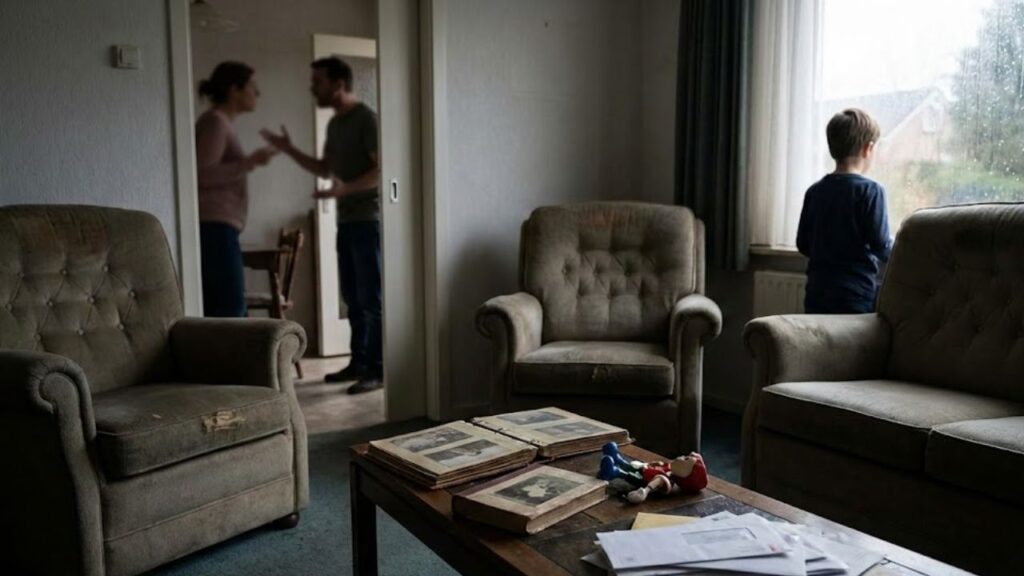
Psychology explains disrespectful behavior toward parents
One major factor psychologists identify is growing up in environments marked by emotional neglect, where children’s feelings were consistently minimized or ignored. Another common experience is chronic criticism, which can erode self-worth and create defensiveness over time. Some individuals also faced inconsistent discipline, leaving them unsure of boundaries and authority. These early dynamics often teach children that parental figures are unreliable or unsafe, making respect feel conditional rather than natural. As adults, unresolved frustration may surface as sarcasm, avoidance, or open hostility toward parents.
Childhood trauma linked to parental disrespect
Psychology also points to more intense experiences, such as emotional invalidation, where a child’s reality was frequently denied. Exposure to parental conflict can force children into survival mode, prioritizing self-protection over connection. Another damaging pattern is role reversal, when children are pushed to act like caregivers too early. These experiences blur healthy boundaries and often breed resentment. As adults, individuals may push back against parents as a way to reclaim autonomy they never fully had during childhood.

Early family dynamics that shape adult reactions
Subtler experiences also matter. Growing up with conditional affection teaches children that love must be earned, not freely given. Experiencing lack of safety—emotional or physical—can hardwire mistrust into close relationships. Finally, repeated exposure to unmet emotional needs can leave adults hypersensitive to perceived control or judgment from parents. What looks like disrespect on the surface is often a protective response shaped by years of internalized stress and unmet expectations.

Psychological summary and insight
Psychology emphasizes that adult disrespect toward parents is rarely about hatred or ingratitude. It is more often a signal of unresolved attachment wounds and learned coping strategies from childhood. When early experiences limit emotional safety, respect can feel unsafe or undeserved. Recognizing these patterns allows space for healing, boundaries, and sometimes reconciliation. Understanding the root causes doesn’t excuse harmful behavior, but it does explain why some parent–child relationships remain tense long after childhood ends.
| Childhood Experience | Psychological Impact | Adult Outcome |
|---|---|---|
| Emotional neglect | Low emotional trust | Defensive communication |
| Chronic criticism | Fragile self-esteem | Reactive disrespect |
| Parental conflict | Heightened stress response | Avoidance or hostility |
| Role reversal | Boundary confusion | Resentment in adulthood |
| Conditional affection | Fear of rejection | Emotional distance |
Frequently Asked Questions (FAQs)
1. Does disrespect always mean a bad childhood?
No, but psychology shows it often reflects unresolved emotional patterns rather than simple attitude.

2. Can these behaviors change in adulthood?
Yes, awareness, therapy, and healthy boundaries can significantly improve parent–child dynamics.
3. Are parents always responsible for these outcomes?
No, multiple factors influence behavior, but early family experiences play a major role.

4. Is distance sometimes healthier than forced respect?
In some cases, emotional distance can protect mental health better than ongoing conflict.
