
In the United States, texting has quietly overtaken calling as the go-to way many people communicate, especially in everyday personal and work conversations. From quick check-ins to deeper discussions, written messages offer a sense of control that phone calls often don’t. This shift isn’t just about convenience or technology—it reflects personality patterns that shape how people process information, manage emotions, and relate to others. Understanding why some individuals strongly prefer texting over calling reveals deeper insights into modern communication habits and how personality traits influence the way connections are built.
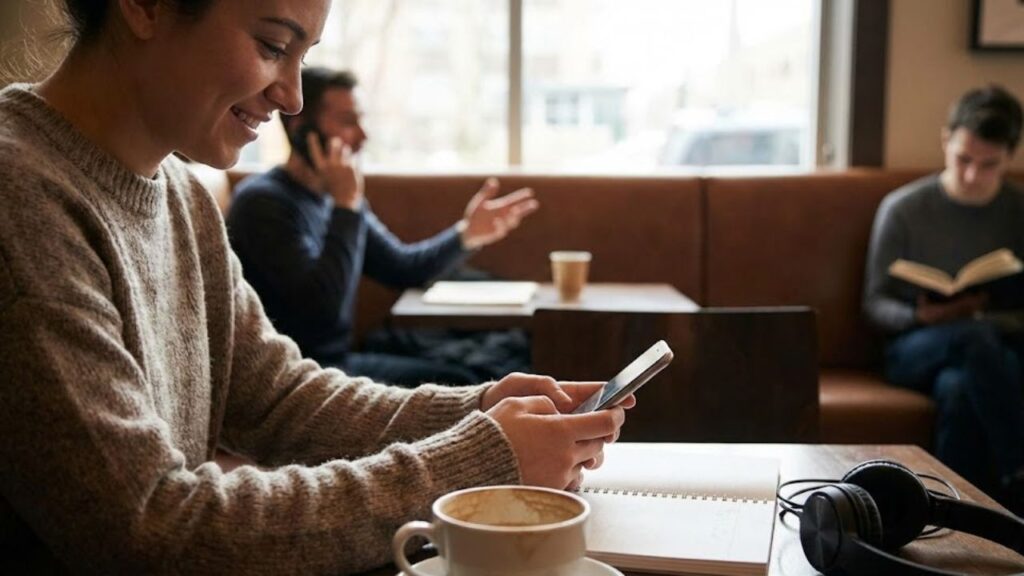
Why people who prefer texting over calling value control
People who prefer texting over calling often share a strong desire for mental and emotional control during conversations. Texting allows time to think before responding, reducing pressure to react instantly. Many are comfortable managing interactions at their own pace, which supports clear thought processing and reduces misunderstandings. This group often dislikes interruptions and values predictable communication flow rather than spontaneous calls. They also tend to protect their energy, using texting as a way to maintain emotional boundaries while still staying connected. For them, written messages feel calmer, more respectful, and easier to navigate than real-time conversations.
Personality traits linked to preferring texting instead of calling
Those who lean toward texting instead of calling frequently display traits tied to reflection and self-awareness. Many are naturally observant and prefer intentional word choice over improvisation. This habit aligns with personalities that value low-pressure interaction and thoughtful exchanges. They may also be more sensitive to tone, making texting appealing because it avoids vocal cues that can feel overwhelming. A strong preference for structured conversations is common, as messages can be reread and clarified. Overall, texting supports internal processing styles that favor depth, precision, and emotional safety.

How texting preference shapes relationships and work
Choosing texting over calling influences how people manage relationships and professional communication. These individuals often excel in written collaboration, relying on documented conversations to stay organized. They appreciate asynchronous communication, which allows multitasking without sacrificing focus. In relationships, texting helps them express thoughts with measured emotional expression, especially during sensitive discussions. However, they may need extra time to warm up to voice calls, preferring message-based connection as a foundation of trust. When understood and respected, this communication style can strengthen clarity and reduce unnecessary stress.

Understanding the bigger picture behind texting preferences
Preferring texting over calling doesn’t signal avoidance or disinterest—it reflects how modern personalities adapt to constant connectivity. These individuals often prioritize mental clarity habits and sustainable communication routines. Texting supports personal autonomy needs while allowing meaningful engagement on their own terms. As digital norms evolve, this style is becoming more accepted across generations and workplaces. Recognizing these traits encourages better empathy and reduces miscommunication. Ultimately, valuing different communication preferences leads to healthier interaction dynamics and more respectful relationships in both personal and professional settings.
| Trait | How It Shows | Communication Benefit |
|---|---|---|
| Reflective thinking | Careful message crafting | Clearer responses |
| Emotional awareness | Avoids reactive replies | Reduced conflict |
| Need for control | Chooses response timing | Lower stress |
| Introverted tendencies | Prefers written expression | Deeper conversations |
| Organization-focused | Saves message history | Better follow-ups |
Frequently Asked Questions (FAQs)
1. Is preferring texting over calling a personality trait?
Yes, it often reflects traits like reflection, emotional awareness, and a need for control.

2. Do people who prefer texting dislike phone calls?
Not necessarily, but they may find calls more draining or intrusive.
3. Can texting preferences affect relationships?
Yes, understanding and respecting this style can improve communication and trust.
 Natural sleeping pill: this common garden plant could be the key to getting your sleep back
4. Is texting preference becoming more common?
Absolutely, especially in the United States where digital communication dominates daily life.
