
Yellowing teeth are a common concern as people grow older, especially in the United States where coffee, tea, and lifestyle habits can speed up discoloration. Over time, natural enamel wear exposes the dentin underneath, giving teeth a darker appearance. While aging is unavoidable, dull or yellow teeth don’t have to be permanent. From simple home routines to advanced dental treatments, there are safe and effective ways to restore a brighter smile. Understanding what causes age-related yellowing helps you choose whitening methods that are both realistic and long-lasting.
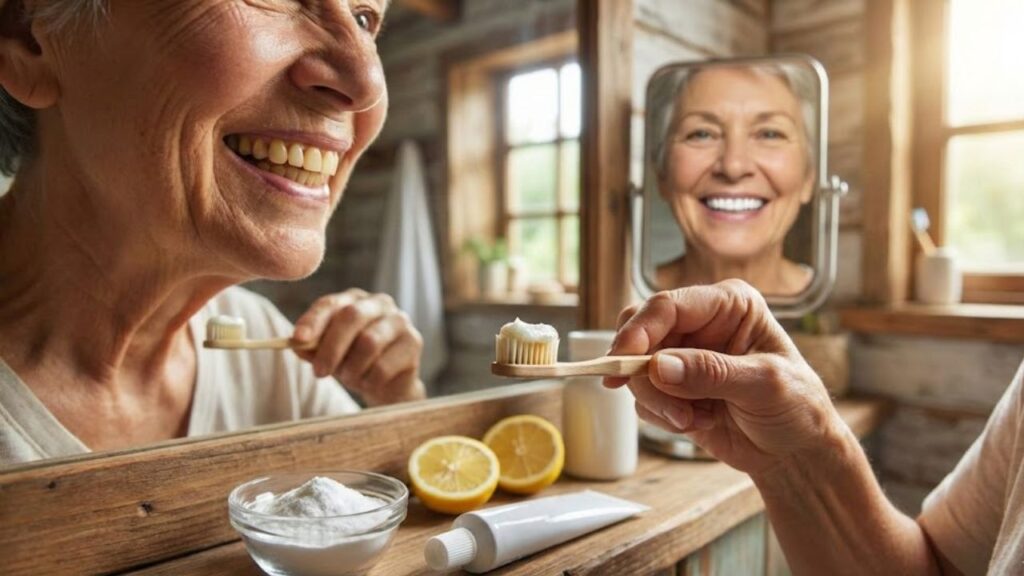
How to whiten teeth naturally as they age
As teeth age, changes like age-related stains and enamel thinning make discoloration more noticeable. Natural whitening focuses on gently removing surface discoloration without harming tooth structure. Brushing twice daily, flossing, and rinsing after staining foods can significantly improve tooth color over time. Baking soda-based toothpaste and oil pulling are often discussed, but they work best when used moderately. These approaches won’t deliver instant results, but they can gradually lift mild yellow tones while supporting overall oral health. Consistency matters more than intensity, especially when dealing with age-related changes.
Best professional options to whiten aging teeth
For deeper yellowing, professional whitening treatments offer faster and more visible results. Dentists use stronger bleaching agents under dental supervision, ensuring safety for sensitive or aging teeth. In-office procedures or custom trays with peroxide gels can penetrate enamel and lighten dentin discoloration effectively. These methods are especially helpful when home remedies fall short. A dental evaluation is important, as crowns or fillings won’t whiten and may require alternative cosmetic solutions. Professional care balances effectiveness with protection, making it a popular option for older adults.

Daily habits that help whiten yellow teeth over time
Long-term whitening success depends heavily on daily oral habits. Using a gentle whitening toothpaste, avoiding tobacco, and practicing diet awareness can slow future yellowing. Drinking water after coffee or wine helps reduce staining, while regular cleanings remove plaque that dulls enamel. These habits won’t dramatically change color overnight, but they preserve results from whitening treatments and prevent further discoloration. Small adjustments in routine often make the biggest difference for maintaining a brighter, healthier-looking smile as you age.

Summary or Analysis
Whitening teeth that have yellowed with age is possible with the right mix of care and patience. Setting realistic expectations is important, since aging affects tooth structure differently for everyone. Whether you choose natural methods or clinical treatments, consistent care delivers the best results. Consulting a dentist ensures safety and helps tailor solutions to your needs, especially when sensitivity or restorations are involved. With informed choices and dental advice, a brighter smile can remain achievable well into later years.
| Whitening Method | Effectiveness | Time to See Results | Best For |
|---|---|---|---|
| Whitening Toothpaste | Low to Moderate | 2–4 weeks | Mild surface stains |
| Home Whitening Kits | Moderate | 1–2 weeks | General discoloration |
| In-Office Whitening | High | 1–2 sessions | Deep age-related stains |
| Regular Dental Cleaning | Low | Immediate polishing | Maintenance and prevention |
Frequently Asked Questions (FAQs)
1. Can yellow teeth from aging be fully whitened?
They can be significantly lightened, though results vary depending on enamel thickness and dentin color.

2. Are whitening products safe for older adults?
Yes, when used correctly or under a dentist’s guidance, they are generally safe.
3. How long do whitening results last?
Results can last months to years with good oral hygiene and stain prevention.

4. Do crowns or fillings whiten like natural teeth?
No, dental restorations do not respond to whitening agents.
