
In 2026, fine hair in India deserves hairstyles that enhance volume rather than weigh it down. Many hairdressers agree that certain cuts and styles, though trendy, can actually make thin strands appear flat and lifeless. From overly blunt bobs to heavy layers, the wrong choice can reduce movement and texture, leaving your hair looking sparse. Understanding which styles to avoid helps individuals make smarter salon decisions and embrace looks that boost natural volume. This guide highlights the “worst” hairstyles for fine hair, helping Indian women and men maintain a fuller, healthier appearance all year round.
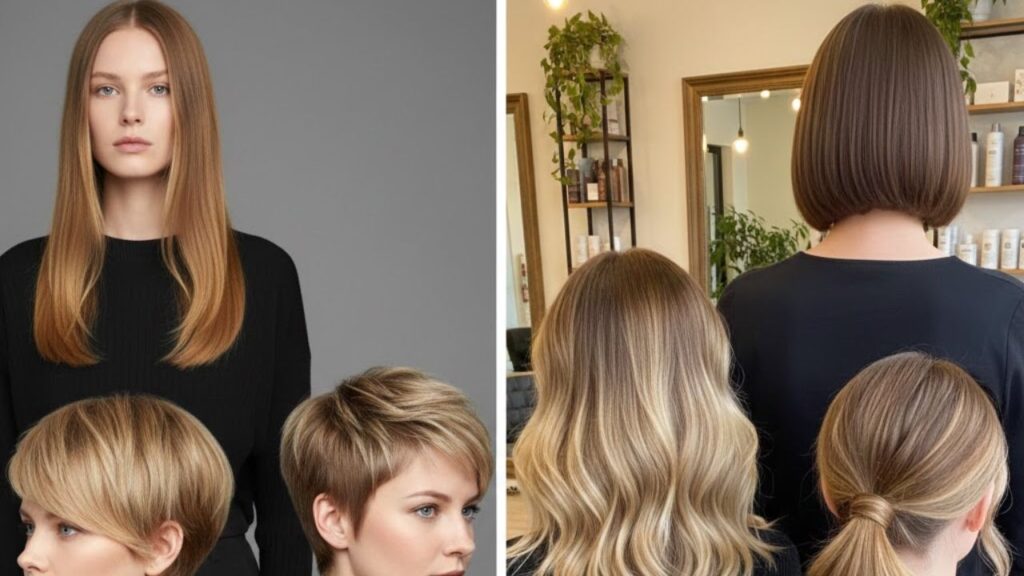
Blunt Bobs: Why They Don’t Suit Fine Hair
Blunt bobs have been popular for years, but for fine hair, they often create a flat, lifeless effect instead of adding body. The uniform length can make hair appear thinner and emphasize scalp visibility, especially under bright lights. Hairdressers in India recommend avoiding overly straight cuts that remove natural texture, as these styles limit movement and volume. Fine-haired individuals might find that a softer, layered bob provides a more airy, dynamic look, allowing strands to fall naturally while appearing thicker. In 2026, embracing textured finishes will make a dramatic difference for those with delicate strands.
Heavy Layers: The Common Mistake for Fine Hair
Many assume that layering adds volume, but heavy layers can backfire for fine hair. When layers are too deep or uneven, they can create stringy, sparse ends that highlight thinness. Indian hairdressers advise opting for subtle, face-framing layers instead, which enhance texture without compromising thickness. Over-layered cuts also make styling difficult, reducing hair manageability and increasing breakage. For a more flattering look, light layering combined with volumizing products preserves body while keeping hair soft. The goal is a style that complements natural growth patterns, maintaining movement without thinning out the overall appearance.
Excessive Straightening: A Volumizing Trap
Sleek, pin-straight styles may look polished, but for fine hair, they often eliminate natural body. Continuous heat styling weakens strands, leading to breakage and frizz. Indian experts suggest avoiding daily flat ironing and embracing gentle waves or curls, which create an illusion of density. Additionally, excessive straightening can accentuate split ends, making hair look limp and unhealthy. Incorporating protective sprays and air-drying techniques enhances volume while maintaining shine. By reducing over-styling, individuals can preserve their hair’s strength and enjoy a fuller, lively texture without sacrificing sleekness.

Summary of Fine Hair Hairstyle Mistakes
In summary, fine hair in 2026 requires thoughtful styling choices. Avoiding blunt bobs, heavy layers, and excessive straightening ensures that strands maintain volume and natural movement. Hairdressers emphasize the importance of textured cuts and gentle styling, which highlight shine and thickness rather than exposing thinness. Indian individuals can enjoy low-maintenance styles that still look polished by choosing shapes that complement fine hair. With the right approach, thin hair can appear fuller, healthier, and effortlessly chic throughout the year.
| Hairstyle | Issue for Fine Hair | Recommended Alternative |
|---|---|---|
| Blunt Bob | Flat, lifeless appearance | Textured bob with layers |
| Heavy Layers | Stringy ends, thinning look | Subtle face-framing layers |
| Excessive Straightening | Breakage and limp hair | Soft waves or curls |
| Overgrown Fringe | Weighs down hair | Side-swept light bangs |
| Long, Heavy Hair | Lacks volume and body | Layered mid-length cuts |
Frequently Asked Questions (FAQs)
1. What hairstyles suit fine hair best?
Textured bobs, soft layers, and gentle waves enhance volume naturally.

2. Can fine hair grow thicker?
While genetics matter, proper cuts and care improve appearance of thickness.
3. How often should fine hair be trimmed?
Trimming every 6–8 weeks helps prevent split ends and maintains shape.

4. Are heat tools safe for fine hair?
Use sparingly with protective products to reduce breakage and frizz.
