
When it comes to choosing the right hairstyle after 50, many women in the United States are surprised to learn that certain short cuts can actually make them look older. While short hair is often associated with ease and elegance, not every cropped style works for mature faces. According to top stylists, some cuts can unintentionally emphasize signs of aging or diminish facial softness. Understanding the impact of shape, texture, and layering is key when selecting a flattering look. This article explores which short cut a professional hairdresser believes ages the face the most—and what to consider instead.
The Short Cut Experts Say Ages the Face
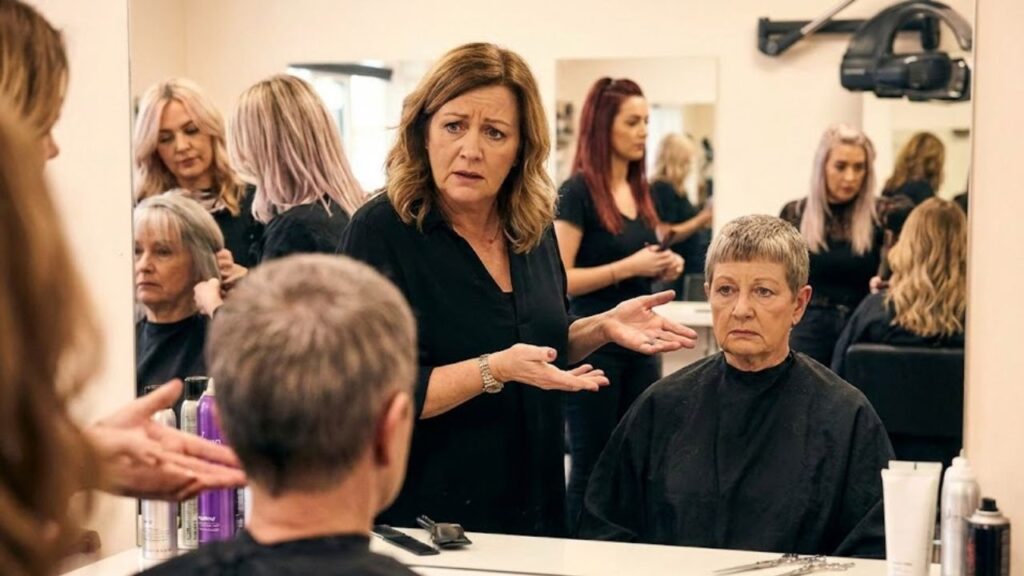
According to experienced hairdressers, the **ultra-short blunt bob** is the one cut most likely to age the face. This style often removes volume from the sides and lacks movement, which can make the face appear more rigid. A blunt edge line near the jaw can accentuate sagging or jowls, especially when not softened with layers. While chic on younger clients, this high-maintenance shape doesn’t offer the facial framing that mature faces need. Stylists recommend avoiding stiff silhouettes and instead opting for shapes that create lift and softness.
Why Short Hair Needs Shape After 50
Once past 50, hair texture often becomes thinner or more brittle, which can make short styles look flat if not cut thoughtfully. Stylists recommend incorporating soft layering and graduated volume to bring life back into the cut. Layers around the cheekbones or crown create a natural lift that enhances features rather than pulls them down. Adding texture helps avoid the “helmet hair” effect that comes from uniform cuts. A more personalized approach with face-hugging curves and subtle dimension is ideal for maintaining a youthful appearance without sacrificing ease of styling.
Better Alternatives to the Blunt Bob
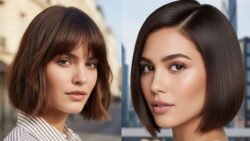
If the blunt bob is off the table, what should women try instead? Hairdressers suggest styles like the pixie with movement, a soft shag cut, or even a layered asymmetrical bob. These styles maintain the benefits of shorter hair—easy upkeep and neck exposure—while adding face-framing softness. A side part or curtain fringe can also balance proportions and highlight the eyes. By focusing on light texture and volume at the crown, women can find short styles that flatter their changing features and reflect their personal style without aging them prematurely.
 Fluffy Hair: A Hairdresser’s Tips to Stop Poofy Frizz When Winter Air Dries Everything Out
Final Thoughts on Choosing the Right Cut
Hair is personal, and what works for one woman might not suit another—but being aware of how shape and line affect perceived age can be empowering. The blunt short bob, while modern, may not offer the softness and balance needed after 50. Opting for more flexible shapes, subtle layers, and strategic volume can help enhance your features instead of aging them. The best advice? Work with a stylist who understands mature hair needs and face shape. A flattering cut should leave you feeling both confident and refreshed.
| Haircut Type | Effect on Face | Recommended? |
|---|---|---|
| Blunt Bob (Jaw-Length) | Emphasizes sagging | No |
| Pixie with Texture | Lifts facial features | Yes |
| Layered Shag | Adds movement | Yes |
| Asymmetrical Bob | Creates visual interest | Yes |
| Straight Cut Pixie | May flatten crown | No |
| Side-Parted Lob | Frames face gently | Yes |
Frequently Asked Questions (FAQs)
1. What haircut should women over 50 avoid?
Many stylists recommend avoiding the blunt bob, especially at jaw-length.

2. Can short hair still look youthful after 50?
Yes, when styled with layers and volume, short hair can look very youthful.
3. What’s a good low-maintenance short haircut?
A textured pixie or soft shag offers style with minimal upkeep.
4. Do bangs help soften aging features?
Yes, curtain bangs or side-swept fringe can highlight eyes and soften the forehead.
