
Cold weather can be tough on your hair, especially when seasonal shedding quietly ramps up. In India, winter often brings dry air, indoor heating, and changes in diet that can all affect scalp health and hair strength. The good news is that hair loss during colder months isn’t always a warning sign—it’s often a response to environmental stress. With a few smart winter habits and some gentle care, you can protect your strands, reduce breakage, and keep your hair looking full, soft, and healthy until warmer days return.
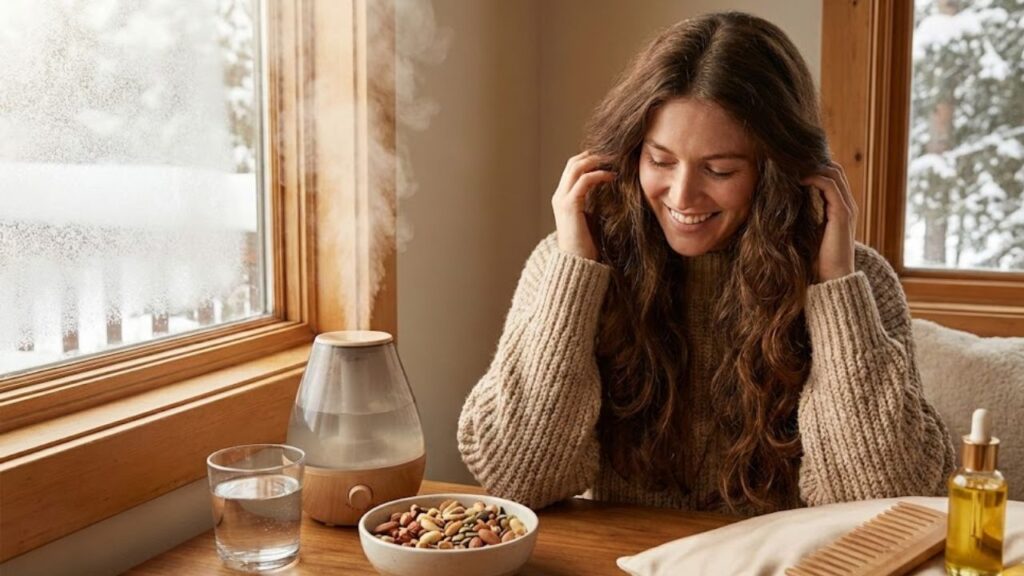
Winter hair loss habits that protect your scalp
One of the biggest mistakes people make in winter is ignoring the scalp while focusing only on hair length. Cold air and hot showers can dry skin fast, triggering winter hair fall that feels sudden but is often preventable. Using lukewarm water, massaging oil weekly, and avoiding harsh shampoos help maintain scalp circulation. Switching to sulfate-free formulas supports gentle cleansing without stripping natural oils. These small changes keep follicles comfortable and balanced, which is essential for holding onto hair during colder months.
Seasonal hair shedding and winter nutrition choices
Hair health is closely tied to what you eat, and winter diets sometimes lack variety. Low sunlight and comfort foods can quietly affect protein intake, which hair needs for structure. Adding lentils, eggs, and dairy helps reinforce strands, while leafy greens support iron support for oxygen flow to follicles. Nuts, seeds, and ghee provide healthy fats that prevent dryness and brittleness. Nourishing your body consistently during winter gives hair the internal support it needs to stay strong.

Hair loss prevention through winter styling habits
Winter accessories and routines can unintentionally cause damage. Tight caps, scarves, and rough fabrics increase friction, leading to breakage unless you choose protective styling. Dry indoor air from indoor heating also weakens strands, making them more prone to snapping. Sleeping on smooth pillowcases reduces nighttime friction and helps retain moisture. Gentle detangling and loose hairstyles may seem minor, but they play a big role in preventing avoidable hair loss.

Summary or Analysis
Most winter-related hair concerns come down to managing seasonal shedding rather than stopping hair loss completely. When scalp care, nutrition, and daily habits work together, results feel more manageable and less alarming. A consistent routine through the colder months supports comfort and confidence while protecting strands from stress. Over time, these habits encourage long term growth and help hair bounce back naturally as the seasons change.
| Winter Habit | Main Benefit | How Often |
|---|---|---|
| Oil scalp massage | Improves moisture balance | Once a week |
| Lukewarm hair wash | Prevents dryness | 2–3 times weekly |
| Protein-rich meals | Strengthens hair strands | Daily |
| Loose protective styles | Reduces breakage | Daily |
| Satin pillowcase | Limits friction damage | Every night |
Frequently Asked Questions (FAQs)
1. Is hair shedding worse in winter?
Yes, colder weather and dry air can temporarily increase hair shedding.

2. Can oiling really reduce winter hair loss?
Regular oiling helps keep the scalp moisturized and supports healthier follicles.
3. How often should I wash my hair in winter?
Washing two to three times a week is usually enough to avoid dryness.

4. When should I worry about hair loss?
If heavy shedding lasts beyond winter, it’s best to consult a professional.
