
Electric cars are often sold as a climate solution, but critics argue the green promise looks shakier once you examine the full emissions picture. In India, where coal still dominates electricity generation and EV adoption is accelerating, the debate is especially sharp. From mining battery materials to charging vehicles on carbon-heavy grids, skeptics say the math behind electric mobility is more complicated than marketing suggests. The question isn’t whether electric cars reduce pollution at all, but whether their real-world impact matches the clean image many drivers assume.
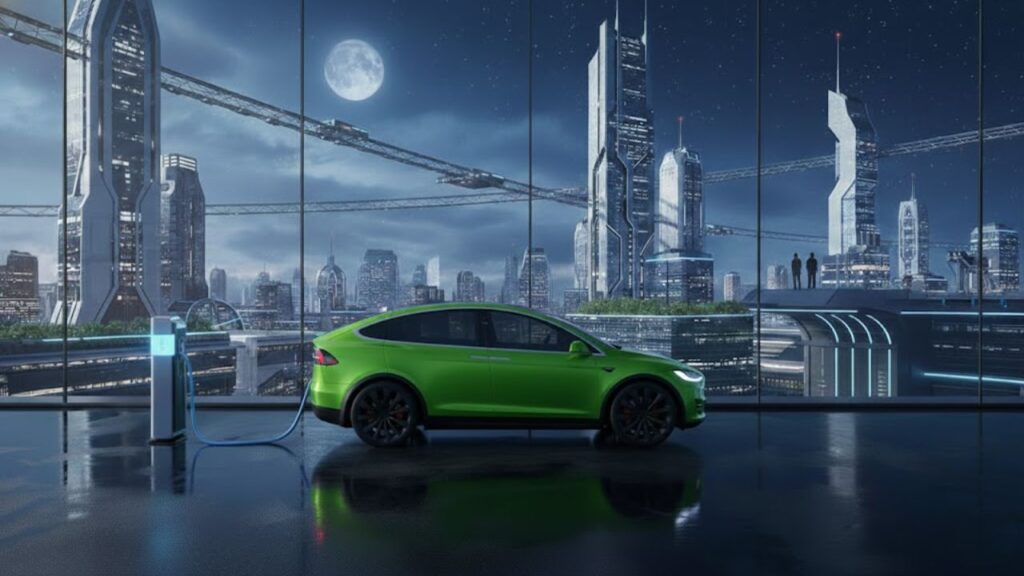
Electric car emissions raise uncomfortable questions
Critics of electric vehicles focus on the idea of hidden carbon costs that appear long before a car hits the road. Battery production requires energy-intensive mining of lithium, cobalt, and nickel, often in regions with weak environmental oversight. This creates front-loaded emissions that petrol cars spread out over years of driving. In India’s context, transporting raw materials and assembling batteries can add a manufacturing pollution spike that buyers rarely see. Supporters counter that EVs pay this back over time, but skeptics note the emissions breakeven point may arrive much later than advertised, depending on usage and local energy sources.
Why electric vehicles aren’t always green in India
The cleanliness of an electric car depends heavily on how the electricity is generated, and that’s where India faces challenges. With coal providing a large share of power, charging an EV can mean drawing from a coal-heavy grid. This leads to indirect tailpipe emissions shifted from roads to power plants. Urban charging hubs may rely on peak-hour electricity, which is often the dirtiest energy available. While renewable capacity is expanding, critics argue the current mix creates a carbon transfer problem, reducing local air pollution but doing less for overall climate goals.

The emissions math critics say buyers ignore
Environmental groups point out that many EV comparisons rely on optimistic assumptions. Short ownership cycles can worsen lifecycle emissions totals, especially if batteries are replaced early. Recycling systems for used packs remain limited, creating end-of-life uncertainty that adds future risks. In regions with inconsistent charging infrastructure, drivers may depend on diesel backup power, quietly undermining emissions gains. Critics also highlight uneven usage patterns, where low annual mileage means the carbon debt of manufacturing is never fully offset before resale or scrappage.

Rethinking what “green” really means
None of this means electric cars have no environmental value, but critics argue the conversation needs more honesty. A truly sustainable transition requires clean power alignment, better battery recycling, and longer vehicle lifespans. Without these, EVs risk becoming a symbolic climate fix rather than a structural one. For India, the opportunity lies in pairing electric mobility with renewable expansion and smarter grids. Otherwise, the shift may deliver quieter streets and cleaner cities, but only a partial emissions win at the national level.
| Factor | Electric Cars | Petrol Cars |
|---|---|---|
| Manufacturing emissions | High due to batteries | Lower initial impact |
| Running emissions | Depends on power source | Consistently high |
| Energy source | Grid electricity | Fossil fuels |
| Local air pollution | Very low | High |
| End-of-life impact | Battery recycling issues | Conventional scrap |
Frequently Asked Questions (FAQs)
1. Are electric cars worse for the environment than petrol cars?
No, but their benefits depend heavily on electricity sources and usage patterns.

2. Why does battery production matter so much?
Because it creates large emissions upfront that take years of driving to offset.
3. Does India’s power mix affect EV emissions?
Yes, coal-based electricity significantly reduces the climate advantage of EVs.
 Goodbye to Power Bill Relief: Households Face Higher Energy Costs From Early February 2026
4. Can electric cars become truly green in the future?
They can if paired with cleaner grids, better recycling, and longer vehicle use.
