
Recent orca encounters with boats have shifted from rare wildlife stories to global headlines, especially along Spain’s Atlantic coast. What began as curious interactions has escalated into repeated vessel damage, sparking debate among scientists, tourism operators, and conservationists. While marine tourism continues to grow, critics argue that weak protections and overcrowded waters are pushing orcas into stress-driven behavior. The situation exposes a deeper conflict between economic gain and ethical responsibility, raising uncomfortable questions about how modern conservation works when wildlife and profitable human activities collide in shared ocean spaces.
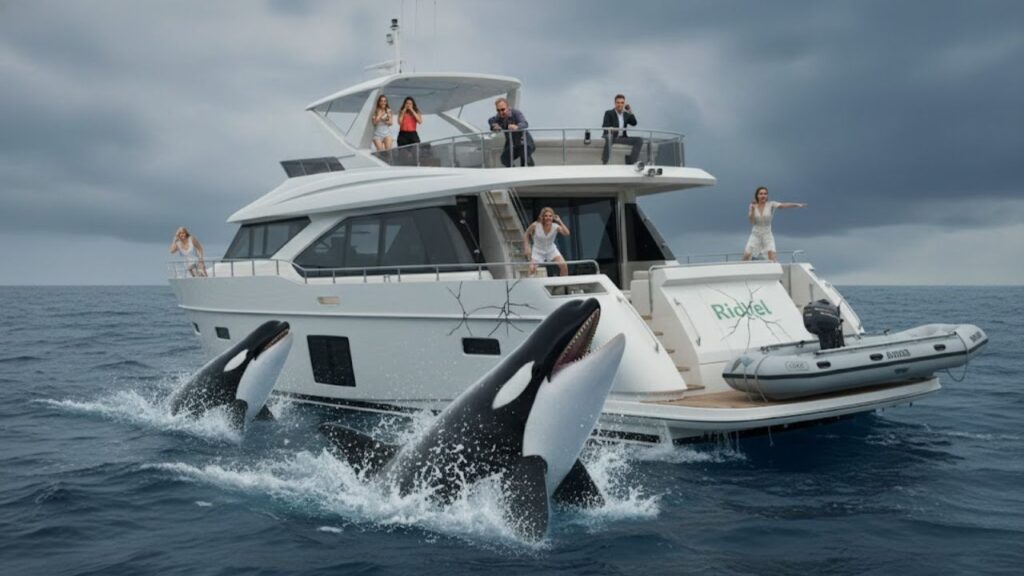
Orca attacks on boats reveal gaps in marine protection
Along Spain’s busy maritime routes, the rise in orca encounters highlights weak conservation oversight, crowded migration corridors, human pressure zones, and policy enforcement gaps. Experts note that many incidents occur where fishing, shipping, and tourism overlap with orca habitats. Instead of proactive planning, responses have often been reactive, focusing on rerouting boats rather than addressing root causes. Noise pollution, depleted prey, and constant vessel presence disrupt natural behaviors. Without coordinated marine zoning and stronger protections, orcas are left navigating an increasingly hostile environment, making conflict with boats almost inevitable rather than surprising.
Tourism growth fuels orca–boat conflict risks
Spain’s coastal tourism boom brings revenue but also unregulated whale watching, dense tour traffic, profit-first priorities, and short-term economic focus. Orca sightings attract operators eager to deliver close encounters, sometimes ignoring recommended distances. Over time, repeated disturbances may teach orcas to interact with vessels in unpredictable ways. While tourism boards promote sustainability, critics argue that guidelines lack teeth. When financial incentives dominate decision-making, wildlife welfare becomes secondary, creating conditions where orcas adapt defensively to constant intrusion rather than peacefully coexisting with humans.

Animal welfare concerns grow as orca incidents increase
Conservation groups warn that rising boat damage masks deeper chronic stress signals, disrupted feeding patterns, social pod strain, and behavioral adaptation risks among orcas. These intelligent mammals rely on stable social structures and predictable environments. Frequent disturbances can affect calves, hunting success, and long-term survival. Blaming the animals oversimplifies a complex issue rooted in human activity. Welfare advocates stress that without meaningful habitat protection, orcas will continue adjusting their behavior in ways that alarm boaters but ultimately reflect survival responses, not aggression.

Why conservation credibility is at stake
The ongoing situation challenges public trust erosion, ethical tourism claims, science-policy disconnect, and long-term ecosystem costs. Spain positions itself as a leader in sustainable tourism, yet repeated orca incidents suggest implementation gaps. Effective conservation requires more than statements; it needs enforceable rules, reduced vessel density, and genuine collaboration with scientists. If economic interests consistently outweigh animal welfare, conservation loses credibility. Addressing the problem now could protect both livelihoods and marine life, proving that coexistence is possible when responsibility guides policy.
| Issue Area | Current Situation | Impact on Orcas |
|---|---|---|
| Tourism Activity | High boat density | Increased stress |
| Regulation | Limited enforcement | Habitat disruption |
| Shipping Routes | Shared migration zones | Behavioral changes |
| Conservation Funding | Uneven allocation | Reduced protection |
Frequently Asked Questions (FAQs)
1. Why are orcas interacting with boats more often?
Increased vessel traffic in shared habitats raises stress and triggers defensive behavior.

2. Is Spain taking action to protect orcas?
Measures exist, but critics say enforcement and coordination remain insufficient.
3. Are orcas intentionally attacking boats?
Scientists believe the behavior reflects adaptation and stress, not deliberate aggression.
 Goodbye to Automatic Licence Renewals: Medical Checks Begin for Older Drivers February 2026
4. Can tourism and orca conservation coexist?
Yes, but only with strict regulations, reduced traffic, and science-led management.
