
As we get older, everyday habits start to matter more than we realise — and showering is one of them. Many people in Australia grow up believing that daily showers are essential for cleanliness, but ageing bodies don’t always agree. Skin changes, mobility issues, and even climate can affect how often you really need to step under the shower. Understanding the right balance can support comfort, confidence, and long-term health. So when it comes to ageing well, the real question isn’t how often you can shower — it’s how often you should.
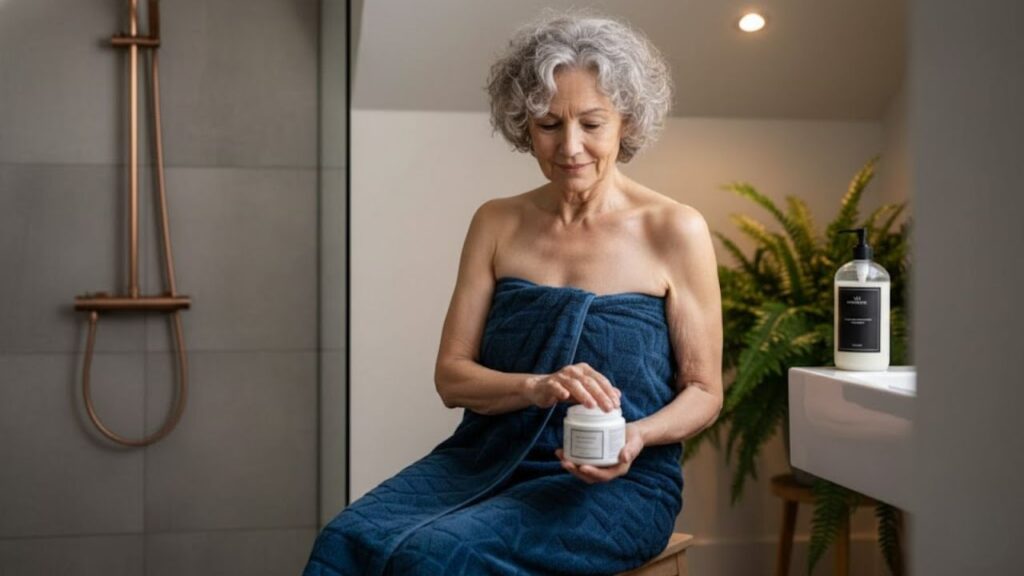
Ageing well and shower frequency myths
For decades, we’ve been told that showering every day is the gold standard of hygiene, but that idea doesn’t always hold up as we age. Older adults often experience a weaker skin barrier, which means frequent washing can strip away natural oils that protect and hydrate the skin. The so-called daily shower myth can actually contribute to irritation, flakiness, and discomfort. In many cases, showering three to four times a week with gentle cleansing products is more than enough to stay fresh and healthy. Cleanliness isn’t about frequency alone — it’s about choosing routines that respect how your body changes over time.
How ageing skin affects shower needs
As the years pass, our skin naturally becomes thinner and less able to retain moisture, which directly affects shower habits. Ageing skin produces less oil, making it more vulnerable to moisture loss when exposed to hot water and harsh soaps. This can lead to itchy dryness, especially during cooler months or in air-conditioned homes. Being mindful of soap choices, water temperature, and shower length can make a noticeable difference. Short, warm — not hot — showers paired with moisturiser afterward often provide comfort without sacrificing hygiene or confidence.

Finding the right shower routine as you age
There’s no universal rule for how often older adults should shower because individual needs vary widely. Someone with higher activity levels may feel better showering more often, while others can comfortably reduce frequency. Australia’s diverse weather also plays a role, as climate factors like heat or humidity can influence sweat and skin comfort. Additionally, certain medical conditions may require tailored hygiene routines recommended by a healthcare professional. The key is paying attention to how your body responds and adjusting habits accordingly, rather than sticking rigidly to outdated rules.
 School Dumps Grades for Feelings and Parents Say Teachers Are Destroying Real Education Standards
Ageing well through balanced hygiene habits
Ageing well isn’t about following strict rules — it’s about creating a balanced routine that supports comfort, dignity, and health. Showering fewer times a week doesn’t mean neglect; it can actually reflect listening body signals and responding with care. For many older adults, focusing on quality over quantity — using mild products, moisturising regularly, and maintaining personal comfort — leads to better skin health and overall wellbeing. Thoughtful hygiene habits can be a simple yet powerful way to feel good every day.
| Age Group | Recommended Showers | Skin Considerations |
|---|---|---|
| 60–69 | 4–5 per week | Early moisture loss |
| 70–79 | 3–4 per week | Increased dryness |
| 80+ | 2–3 per week | Sensitive, fragile skin |
| All ages | As needed | Post-exercise or heat |
Frequently Asked Questions (FAQs)
1. Is it unhealthy to shower every day as you age?
Daily showers can dry out older skin if water is hot or products are harsh.
 From Perovskite to Fusion: Energy Breakthroughs Finally Leave the Lab and Hit 2026 Reality
2. How many showers a week are ideal for seniors?
Most older adults do well with two to four showers per week.
3. Can sponge baths replace full showers?
Yes, targeted washing can maintain hygiene between full showers.
 Starlink Mobile Internet Is Called a Rich Person’s Toy as Critics Warn the Digital Divide Will Widen
4. Should shower habits change in summer?
Hot weather or sweating may require more frequent but shorter showers.
